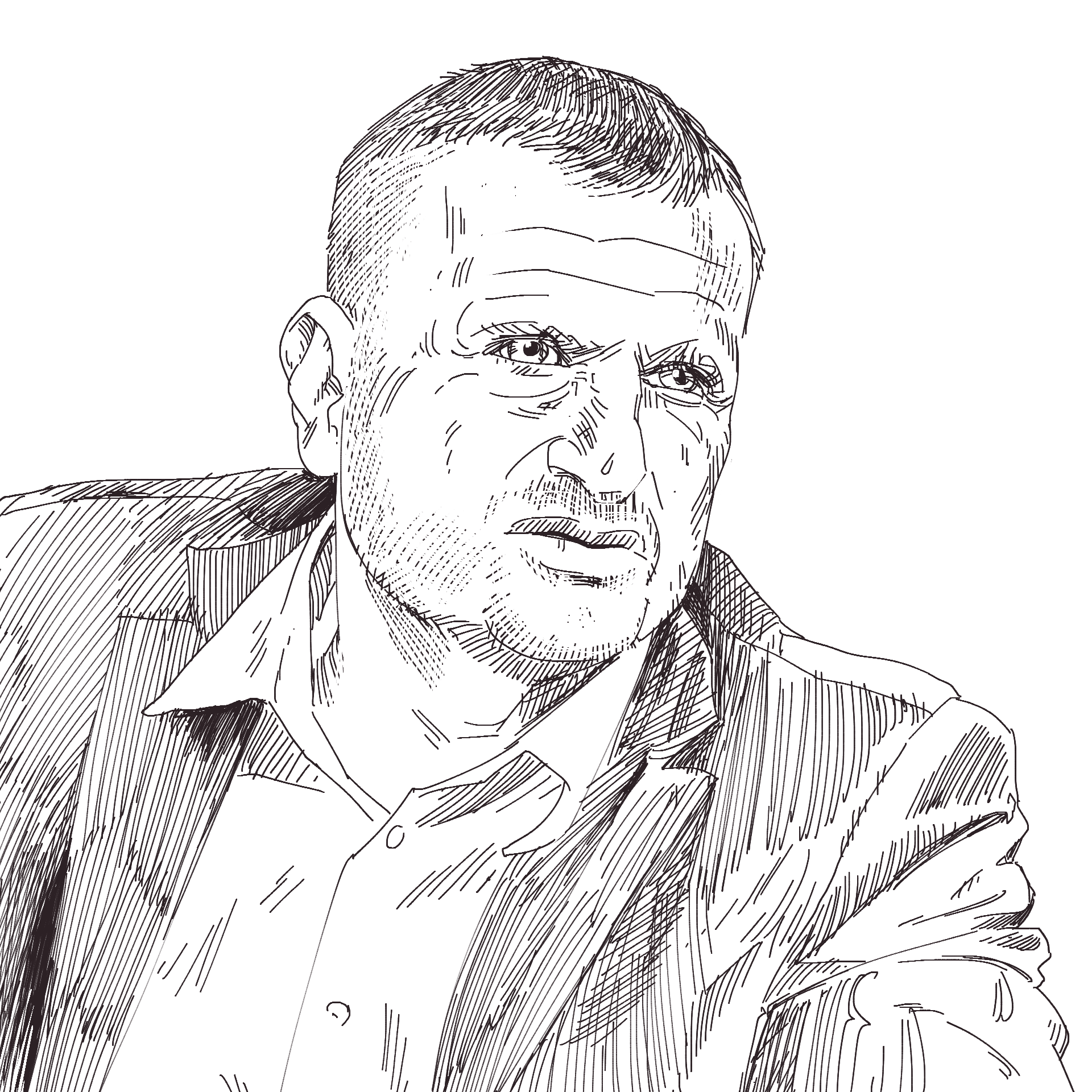
Guns, graft and grandstanding
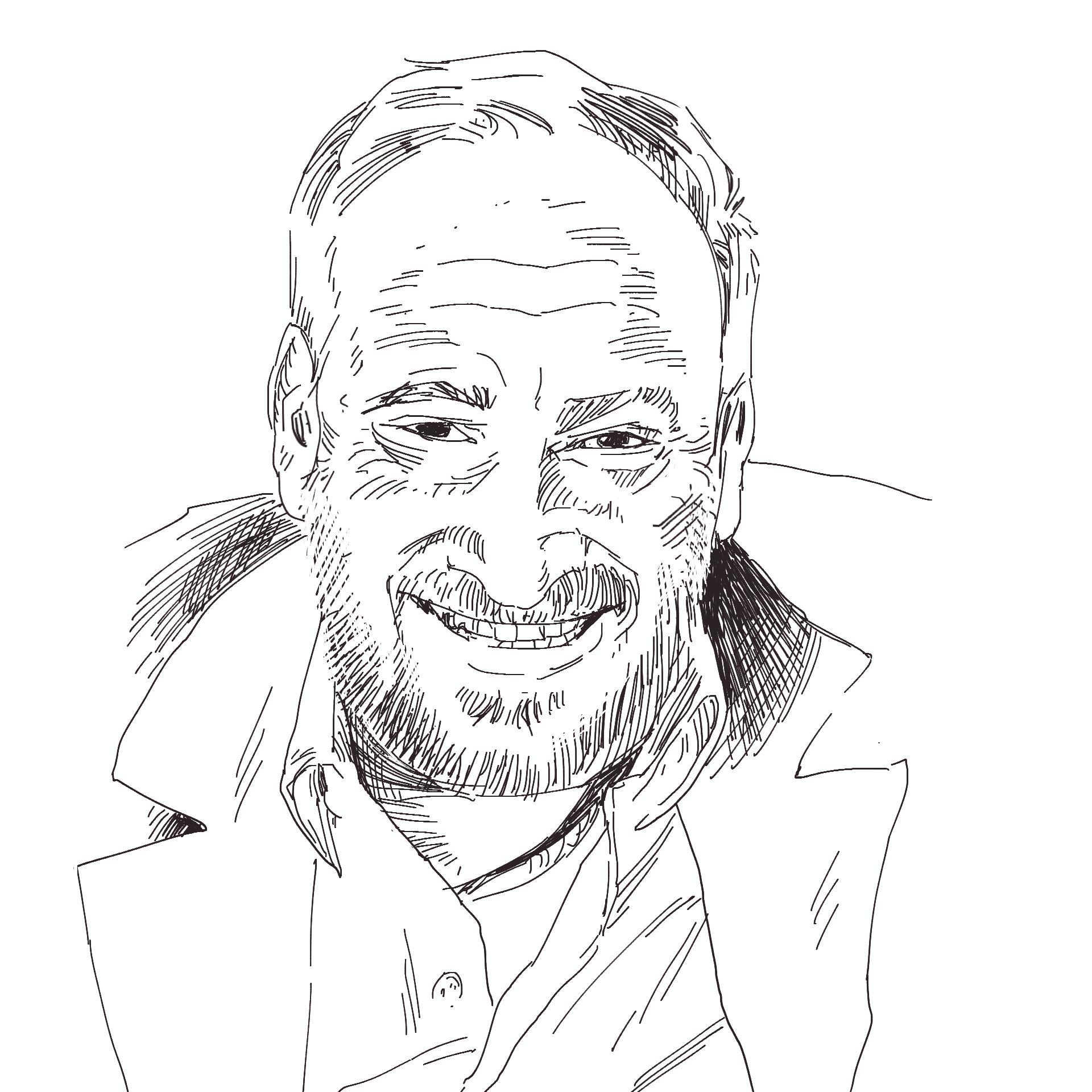
Pierre Konrad Dadak’s story reads like a treatment for a low budget Netflix thriller: Franco-Polish, well-connected, multilingual, and possessed of a talent for attracting trouble. Born in Paris to Polish émigrés, an engineer father and an artist mother, he grew up comfortably in the 18th arrondissement, attended respectable schools, and cultivated a taste for the flashier quarters of the French capital. By the time he was 25, acquaintances say he was already driving a Ferrari.
His early adulthood, however, was less glamorous. Between 2000 and 2006 he managed five arrests in France for offences ranging from fraud and tax evasion to violent assault. A brief stint with a defence contractor in the murky world of Françafrique gave him proximity to uniforms, weapons and contacts. All useful background for the persona he would later construct: the cosmopolitan military operator with an entrée into the shadowy borderlands of global arms dealing.
The Reinvention
Around 2009, Dadak decamped to Warsaw. There he found a powerful patron in Krzysztof Wegrzyn, a former deputy defence minister. He also found a new identity. Despite having no record of military service, Dadak claimed to be a retired French colonel. The state-owned arms company Bumar (today Polski Holding Obronny) hired him as a sales agent for Africa and Latin America. He registered several shell companies, Rosevar Holdings in Cyprus, Vinams Enterprises also in Cyprus, and later the American-registered Polietica. These all served as conduits for deals, commissions and, allegedly, tax evasion.
Although Bumar representatives insist Dadak never closed a contract for them, police investigations in several countries later suggested he moved billions of euros’ worth of military materiel between Africa, Latin America and the Gulf. In the opaque world of global arms deals, where secrecy is the norm and governments routinely use intermediaries, plausibility often counts as much as paperwork.
Ibiza, Illusions and Intimidation
Dadak’s centre of gravity soon shifted from Warsaw to Ibiza. There, ensconced in a fortified villa with bullet-proof windows and motion sensors, he played a new role of the island’s most conspicuous playboy, complete with private jets, models, and a host of bodyguards. His entourage included shadowy figures from the French and Dutch underworlds and associates from the time recall both the glamour and the menace surrounding him.
Wiretaps later released by Spanish police contain a jumble of threats, boasts, and machismo. Some were aimed at business partners, others at former lovers. “I will tear out your eyes,” he told one official who had sold him a Guinea-Bissau diplomatic passport. “I do the dirty work for governments,” he once told a yacht broker.
Diplomatic status, imagined or purchased, became a key component of his persona. After promising investments in Guinea-Bissau, he obtained a diplomatic passport and even hung a plaque on his Ibiza villa announcing it as a Guinean consulate.
A Global Web
Between 2010 and 2016 Dadak circled the globe: The Gambia, Libya, Myanmar, Colombia, India, Cameroon, Argentina, Guatemala, the UAE. Deals were promised, negotiations staged, and heads of state met (or at least photographed). Some partners emerged convinced he was a genuine conduit to major arms suppliers; others believed he was a charlatan trading on the mystique of the arms business.
In 2014–15, however, his bravado collided with geopolitics. The FBI alerted Spain that Dadak, via his shell company Polietica, had offered tens of thousands of rifles and machine guns to rebels in South Sudan. The United Nations, which had documented atrocities on a grand scale in the South Sudanese civil war, singled him out in a 2017 report calling for a global arms embargo.
European authorities were also circling. Belgium froze Polietica’s accounts over suspected VAT carousel fraud while the French expanded a probe into the Marseille-based Barresi crime family, suspecting Dadak’s companies were laundering funds for them. Spain launched a sprawling investigation into threats, extortion, and gun-running.
Then Comes the Fall
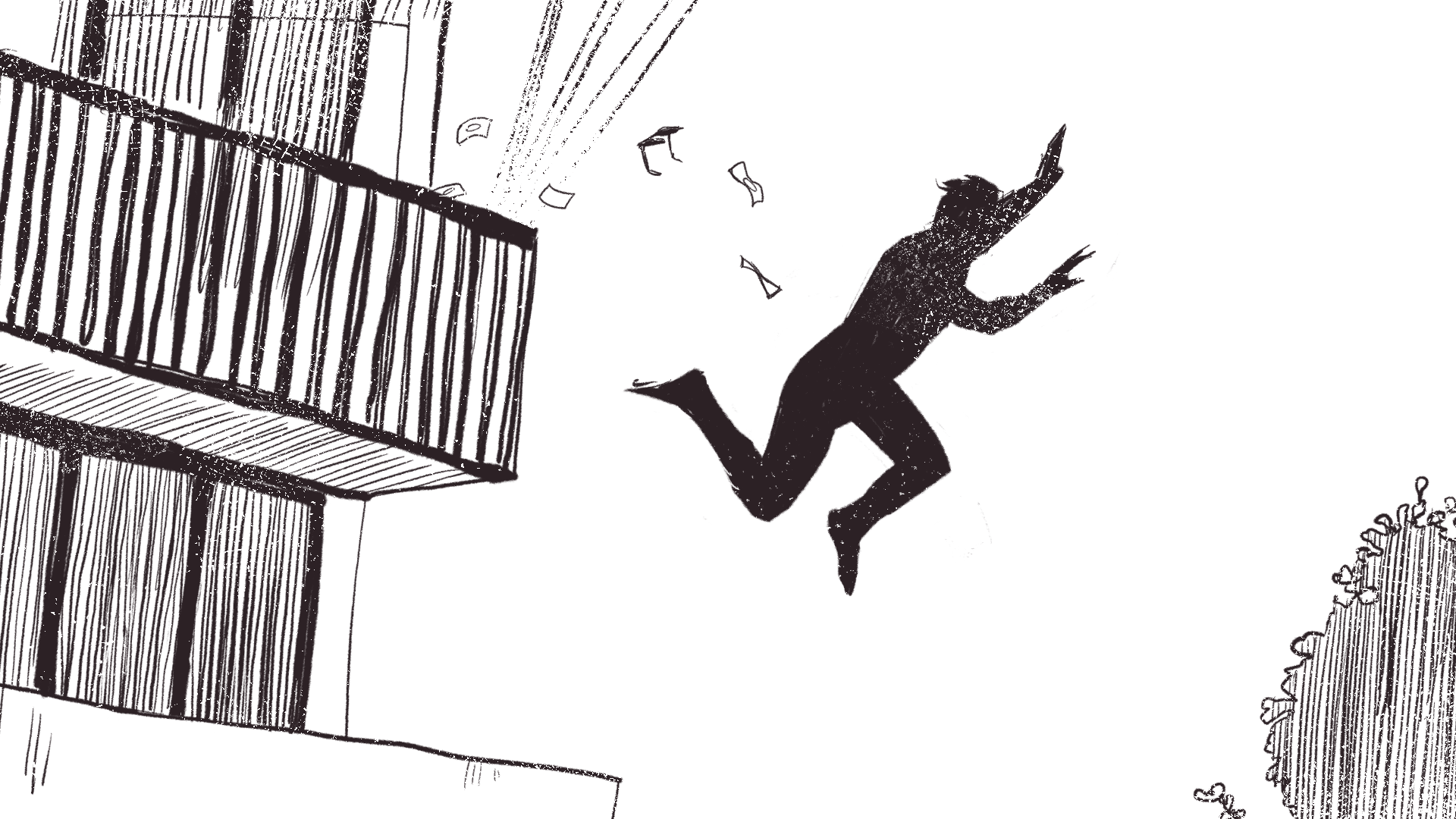
On July 14th 2016, Spanish police raided Dadak’s Ibiza villa. He hid in a panic room before attempting an escape through a window wearing only his underwear; a police officer broke his nose during the scuffle. Nine others were arrested. Authorities seized hard drives, documents, and thousands of emails. Europol later said he had supplied arms to several criminal networks, and possibly more than 200,000 assault rifles to an African client state.
Despite all this the legal aftermath proved muddled. Rivalries among European police forces slowed cooperation; Polish authorities were accused of leaking details of the investigation and Spain’s National Court ultimately concluded in 2023 that many of Dadak’s operations, though labyrinthine, were in fact legal.
America Comes Knocking
Dadak’s troubles nevertheless continued. In June 2023, he was arrested at Barcelona airport in a joint FBI/Spanish police operation dubbed Operación Harrods, relating to a global fraud scheme involving dozens of victims and multi-jurisdictional money flows. He was extradited to New York in March 2025 and faced charges of wire fraud, aggravated identity theft and extortion (USA v. Dadak, 1:23-cr-125).
In April 2025 he pleaded guilty to a single count of wire fraud as part of a deal. In July 2025 he was sentenced to 36 months in federal custody and ordered to forfeit over $1m.
Aftershocks
The legal ripples continue. In 2025 his former partner, Kateryna Dirgina, filed a civil suit in Delaware alleging he fraudulently seized control of a company tied to his Ibiza property. Meanwhile, Dadak, notorious for courting celebrities, was photographed in Spain alongside high-profile European entertainers, generating recurrent, gaudy tabloid coverage.
As Andrew Feinstein, an expert on corruption in the arms trade, puts it, Dadak exemplifies an uncomfortable truth about the global market for weaponry: “The distinction between arms dealers and grifters is extremely fuzzy… Everything happens in secret, so it provides fertile ground for these sorts of conmen.”
Whether Dadak is a master trafficker, a delusional fantasist, or most likely, a combination of both, his tale illuminates the murky spaces where government, crime, commerce and vanity intersect. And like many such characters, his legend may ultimately outlive the legal cases that brought him down.