
In the strange theatre of Central European capitalism, few performers have been as flamboyant as Pavol Krúpa. The Slovak businessman, once known for a flurry of nuisance insolvency petitions, found his show cut short in 2021—this time by an American court. His offence: slander and extortion of Zdeněk Bakala, a Czech billionaire known for mining and philanthropy.
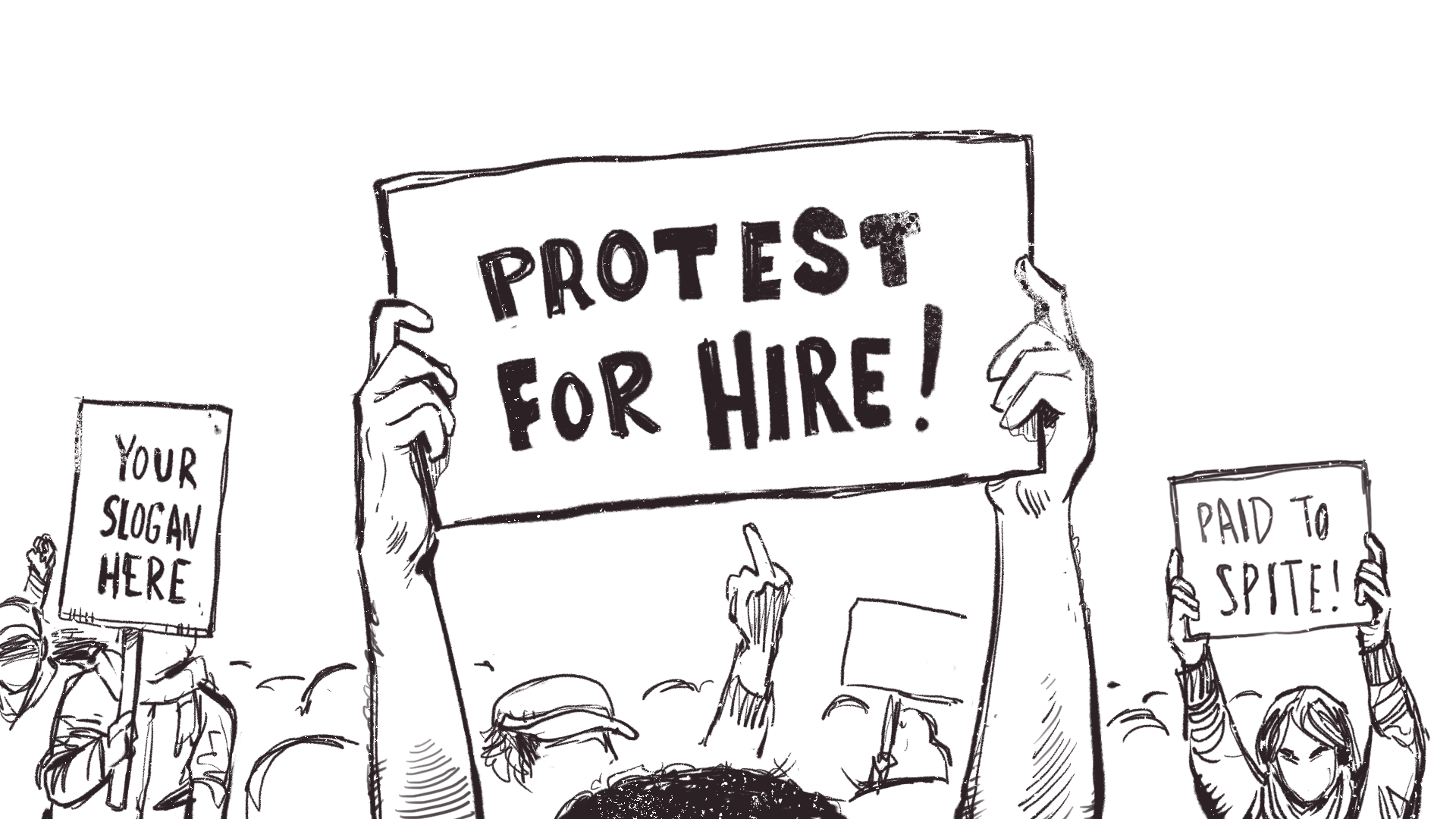
Mr Krúpa’s gambit was audacious. He sought to extract $23m from Mr Bakala through a campaign that blurred the line between activism and theatre. “Crowds on Demand,” a Los Angeles firm specialising in made-to-order protests, was enlisted to stage noisy demonstrations outside Mr Bakala’s home in South Carolina. The supposed civic activists championed the cause of wronged Czech miners; in truth, they were actors. When confronted, Adam Swart, the firm’s owner, apologised publicly for having “led a hostile campaign against Mr Bakala.”
The campaign extended well beyond placards and chants. Using a modest stake in Mr Bakala’s company, New World Resources, Mr Krúpa sought to tarnish his target’s reputation through hostile publicity—an effort that combined economic opportunism with character assassination. Cultural institutions supported by Mr Bakala, from Prague’s DOX Art Centre to the Václav Havel Library, received harassing calls and emails.
Such tactics, more suited to the back alleys of corporate warfare than to legitimate business, failed to yield the desired ransom. Instead, they have left Mr Krúpa as a cautionary tale—a reminder that in the age of performative outrage, even false protests can end in a very real conviction.