
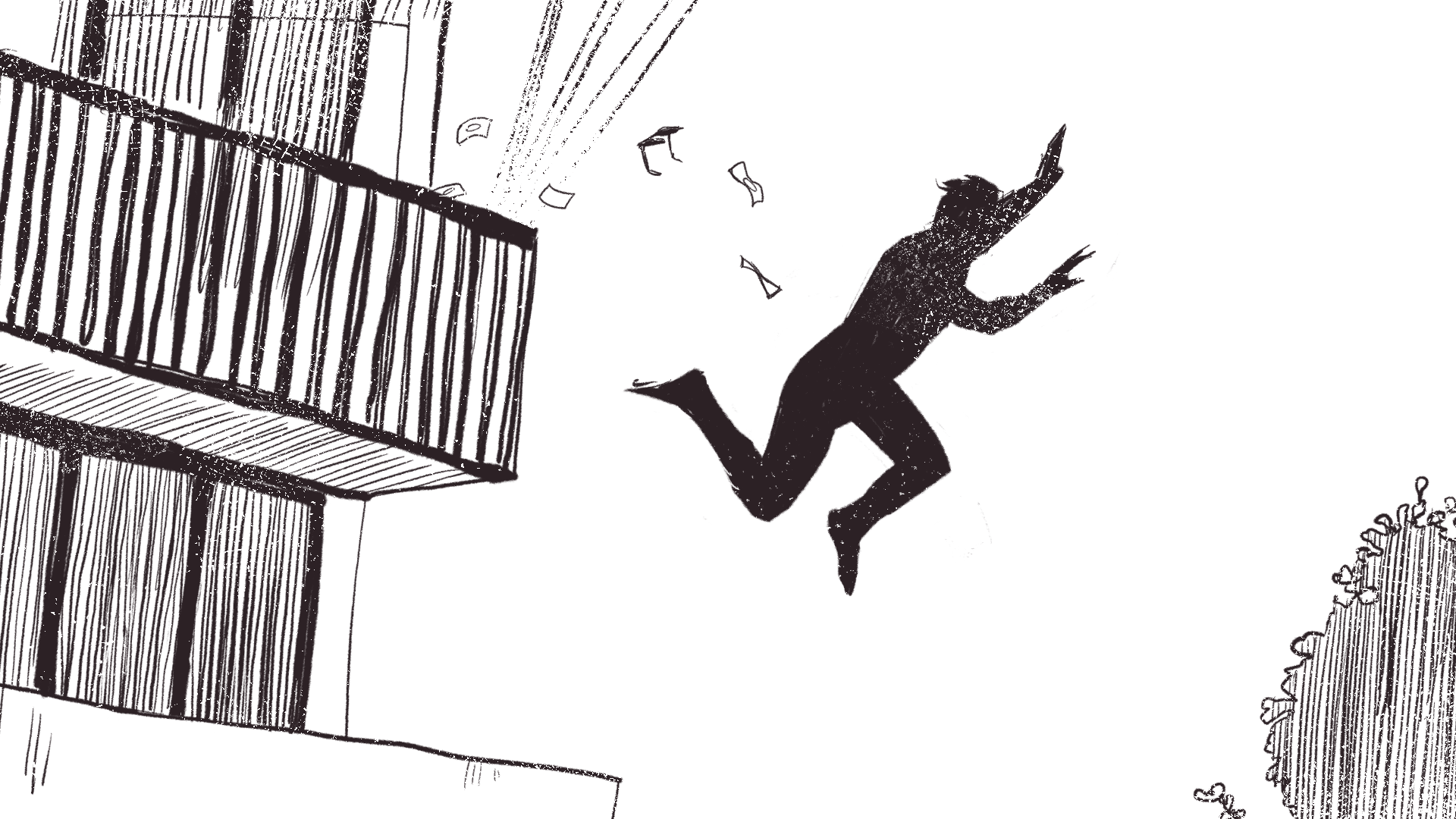
High Living, hard landings
When Singaporean police raided a plush mansion in Bukit Timah, the suspect did not go quietly. Su Haijin, a Cypriot national, leapt from the second-floor balcony of his Good Class Bungalow—one of Singapore’s most exclusive property types—in a desperate bid to escape. He fractured his legs and injured his wrist, only to be found hobbling into a drain nearby.
The 41-year-old was sentenced to 14 months in prison for resisting arrest and laundering money. Su is the second of ten foreigners implicated in Singapore’s biggest-ever money-laundering probe, which has already led to the seizure of over S$3 billion (US$2.2 billion) in assets ranging from mansions and luxury cars to watches and collectible toys.
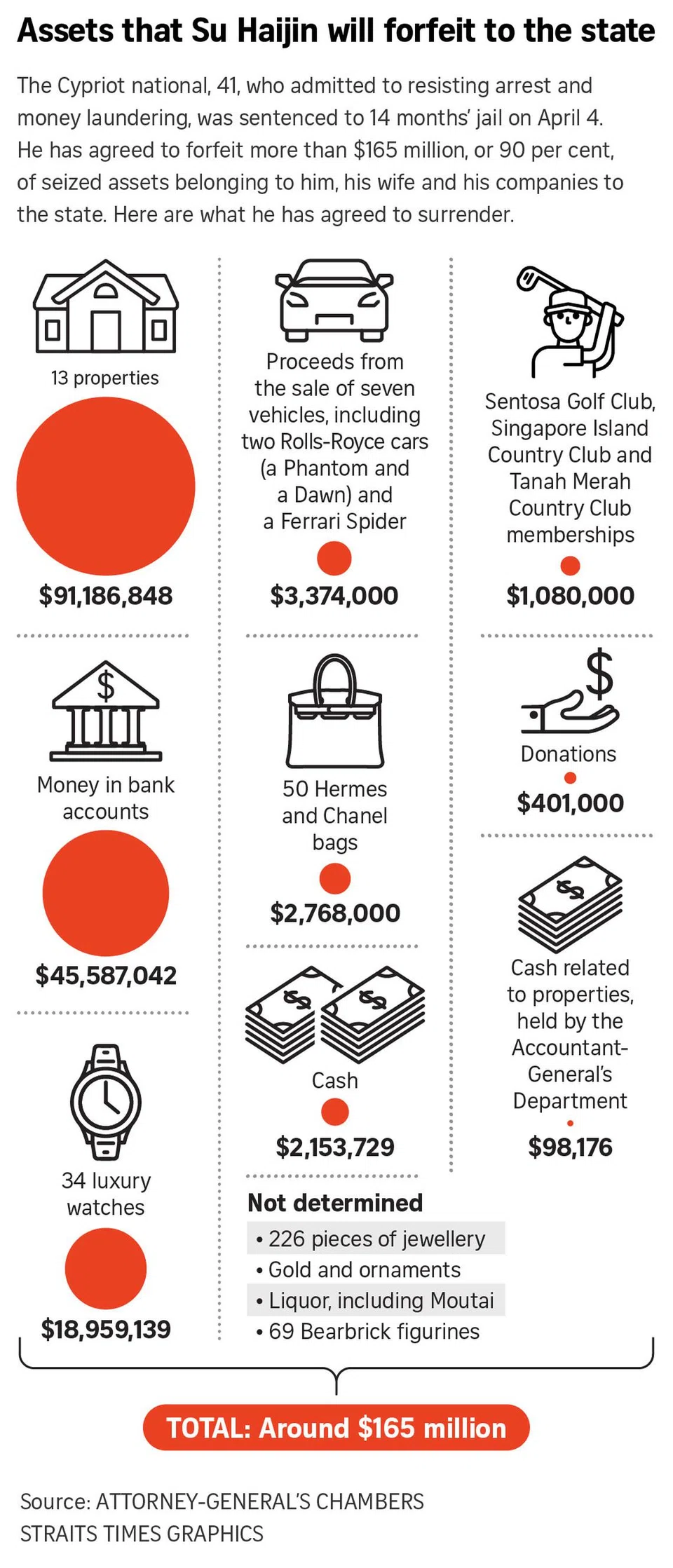
Su, the sole shareholder of Yihao Cyber Technologies, admitted to holding S$1.4 million in suspected criminal proceeds in two bank accounts. He agreed to forfeit around S$165 million—about 90% of his wealth—to the state. Among the surrendered spoils were 13 properties, seven vehicles, nine high-end watches, and 69 Bearbricks, the Japanese designer figurines beloved by Asia’s wealthy collectors.
Prosecutors had sought up to 15 months’ imprisonment, while Su’s lawyers argued that his cooperation and forfeiture of assets merited leniency. Their pleas fell largely on deaf ears. “He has given up more than what the charges are referring to,” his lawyer insisted. The court was unmoved.
The wider case has rattled Singapore’s image as a pristine financial hub. The city prides itself on being clean and transparent; the spectacle of billion-dollar laundering through luxury real estate and private banks suggests a more complicated reality. Authorities, eager to show resolve, have pledged to tighten scrutiny of foreign wealth flowing into the island’s booming asset market.
For now, Su’s leap from his balcony may serve as a cautionary tale: even the wealthiest can fall hard when the money’s origins turn murky.
Sources:
https://www.bbc.com/news/world-asia-66840450