
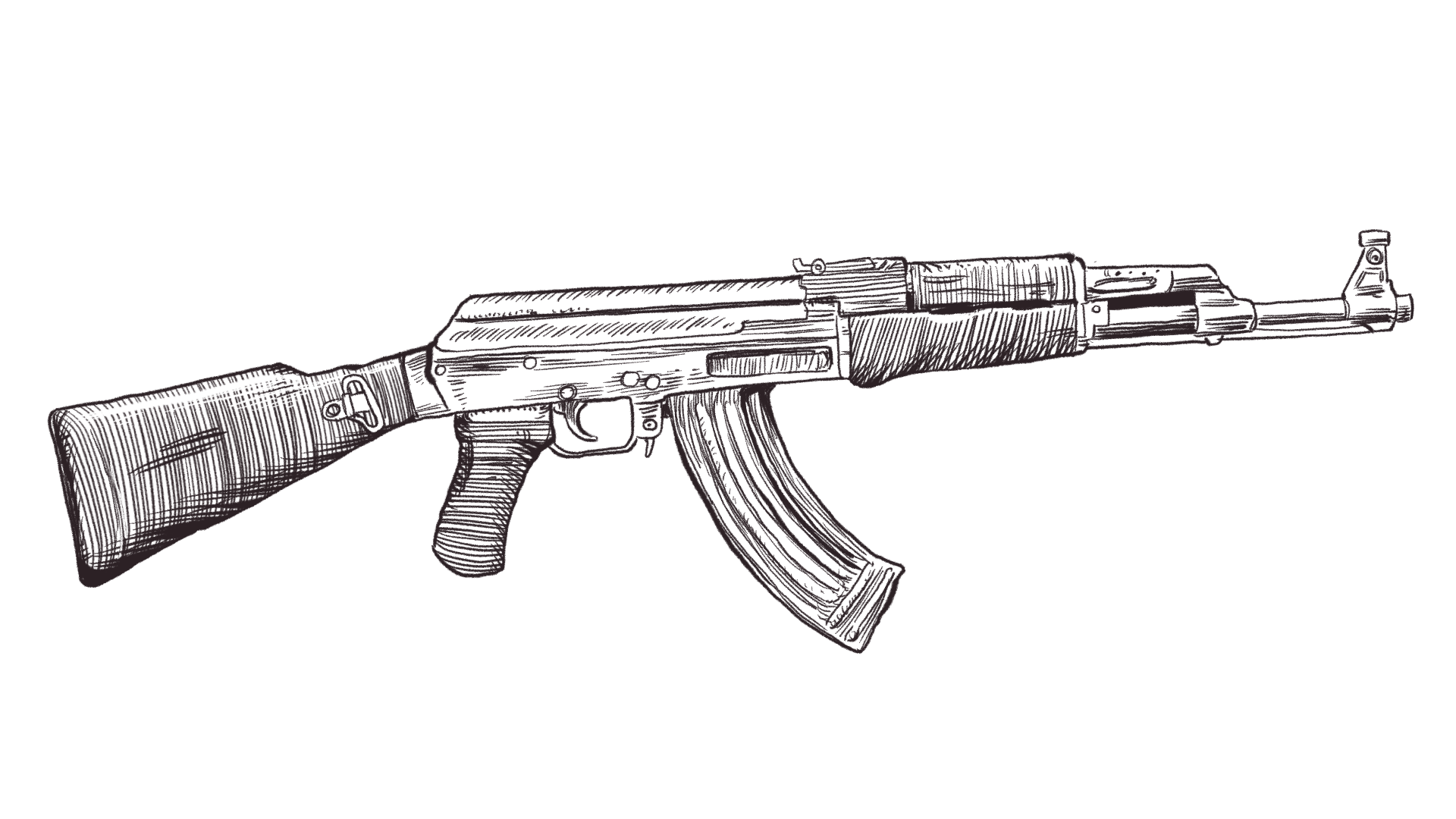
Viktor Bout’s trajectory from Soviet linguist to global arms trafficker to Russian regional politician reads more like a geopolitical parable than a career. Few individuals better illustrate the opaque intersections of state power, criminal enterprise and international diplomacy in the post-Soviet era. Fewer still return from notoriety with their political prospects apparently enhanced.
Probably born in Dushanbe in 1967 (details are murky), Bout emerged from the Soviet Military Institute of Foreign Languages with the ability to speak half a dozen languages and, according to some accounts, a stint with military intelligence. The Soviet collapse provided a windfall for any enterprising officer willing to traffic in hardware rather than ideology. Bout was superbly placed: he acquired aging Antonovs, registered companies across Africa and the Middle East, and began supplying arms, sometimes legally, often not, to clients ranging from UN peacekeepers to African rebel groups. By the late 1990s, UN investigators identified his air-freight empire as a key vector for embargo-busting in Angola, Liberia and the Congo. Western officials gave him a tabloid moniker: the “Merchant of Death”.
His prominence rose as the post-Cold War order frayed. To Washington he became a symbol of the new, stateless security threat: entrepreneurial, mobile, and unhindered by ideology. A DEA sting in 2008 ensnared him in Bangkok, where undercover agents posing as Colombian guerrillas recorded his willingness to supply surface-to-air missiles. His 2011 conviction in a Manhattan courtroom on charges of conspiring to kill Americans and aiding a terrorist organisation made him one of the most famous prisoners of his time, and an irritant in U.S.–Russia relations.
That notoriety turned out to be valuable. When Russian basketball star Brittney Griner was imprisoned in Moscow in 2022 for carrying cannabis oil, the Kremlin saw an opportunity. After a decade in American custody, Bout was exchanged for her. An asymmetric swap that signalled Moscow’s eagerness to recover a man it publicly described as a victim of U.S. political intrigue. He returned to Russia to a hero’s welcome on state television, as if the charges against him were footnotes in a larger geopolitical grievance.
Bout’s reintegration into public life was swift. He joined the nationalist-leaning Liberal Democratic Party of Russia and, in 2023, secured a seat in the Ulyanovsk regional legislature. His public statements since such as support for the invasion of Ukraine and offers to volunteer to fight, align closely with the Kremlin’s wartime narrative. In Russia’s heavily managed political sphere, he is less a maverick than a symbol: evidence that the state protects its own and that hostility toward the West can be politically rewarded.
Whether his business activities are as dormant as his defenders claim is another matter. Reports in 2024 from Western intelligence sources alleged that Bout had resumed arms-related dealings, including discussions with Houthi militants. Moscow denies this, as it denies any official ties to his earlier enterprises. Yet the ambiguity is almost the point. For years Bout flourished in the grey zones between legality and statecraft. Zones that have only expanded as global order has fractured.
If Bout’s story has an ideological core, it is the belief, expressed in interviews from his American cell, that empires fall and political winds shift. His release, rehabilitation and return to political life suggest that, at least in Russia, he has read those winds correctly. The “Merchant of Death” has become something stranger: a political commodity in an age when geopolitics increasingly echoes the transactional logic of the markets he once served.
References
- United Nations Security Council reports on arms embargo violations in Africa (1990s–2000s).
- U.S. Department of Justice, filings and trial transcripts, United States v. Viktor Bout (2011–12).
- Interviews with Bout in The New York Times (2003) and The New Yorker (2012).
- Thai court rulings on U.S. extradition requests (2009–10).
- Russian state media coverage following Bout’s 2022 return.
- Western intelligence assessments reported in The Wall Street Journal (2024).