
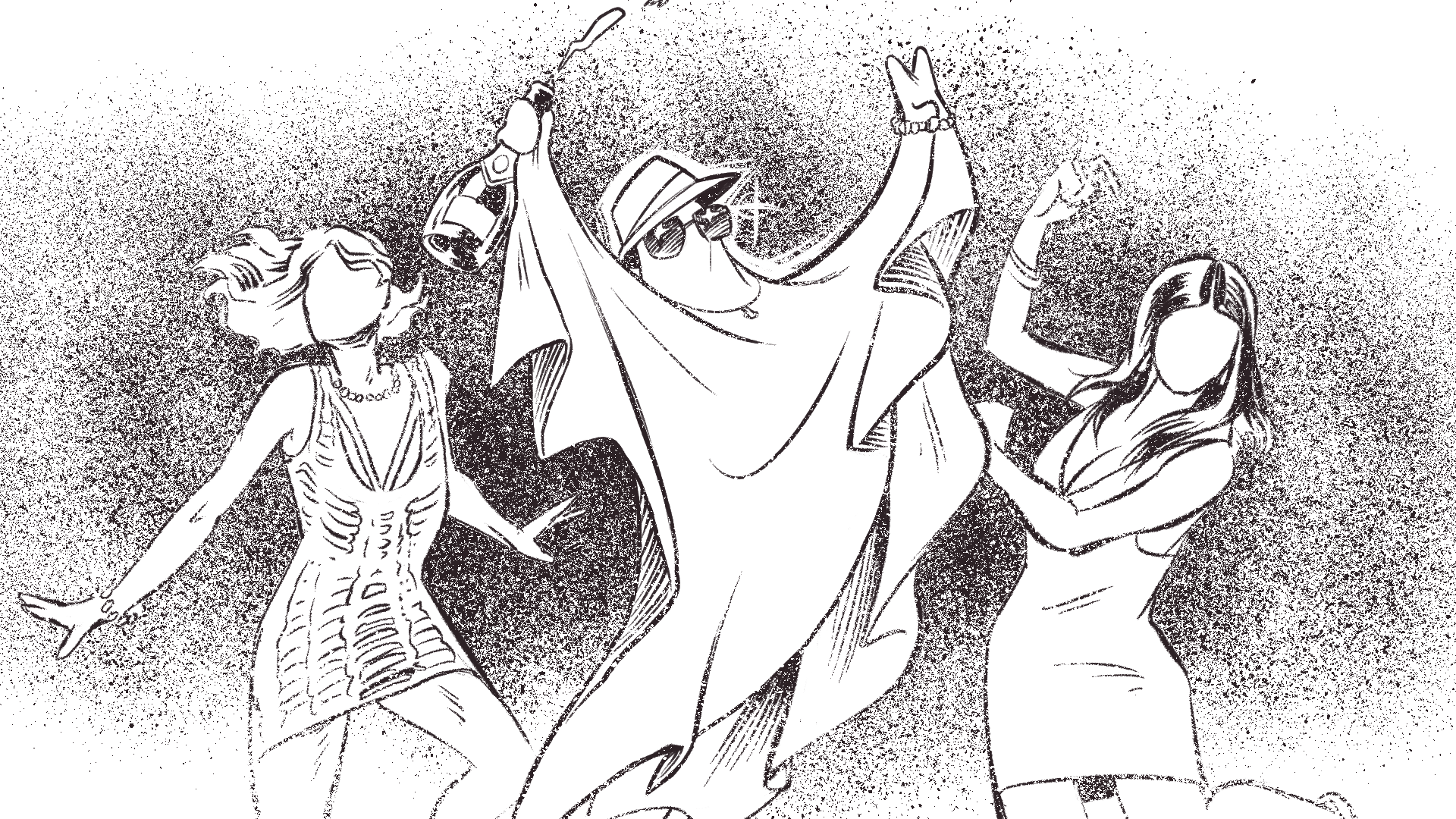
Money doesn’t vanish. It changes names.
It swaps passports. It crosses oceans inside electronic pulses. It buys lawyers, accountants, lobbyists, bankers and politicians. It slips through shell companies with respectable letterheads and emerges wearing tuxedos, carrying champagne and smiling for photographers.
Follow enough of it and you stop asking where the money went.
You start asking who built the machine.
The 1Malaysia Development Berhad scandal (1MDB) was never just another corruption story. It became an x-ray of modern finance, exposing a global system where ambition outran oversight and complexity became camouflage. At the centre stood Low Taek Jho, better known as Jho Low, a financier with no official authority over Malaysia’s sovereign wealth fund but, according to prosecutors in multiple countries, extraordinary influence over nearly every important decision it made.
Low denies criminal wrongdoing.
Governments across several jurisdictions tell a very different story.
The truth now stretches across thousands of court filings, forensic accounting reports, diplomatic cables and criminal indictments. Somewhere inside them lies one of the largest financial scandals of the twenty-first century.
THE CONNECTOR
Every major operation begins with introductions. Not guns. Not money. Introductions.
Born into a wealthy family in Penang, Malaysia, Jho Low learned early that influence rarely belongs to the loudest voice. It belongs to the person everyone wants at the dinner table.
Elite schools polished the image. Harrow in Britain. Wharton in Pennsylvania. Prestigious names. Powerful classmates. Future ministers. Future financiers. Future royalty.
He wasn’t building companies. He was building access.
Those who encountered him described a man who seemed able to connect investors with governments, sovereign wealth funds with Middle Eastern capital, billionaires with politicians, and ambitious deals with willing institutions.
He became a broker of relationships.
In global finance, relationships often become currency.
By 2009 Malaysia had elected Prime Minister Najib Razak, who unveiled an ambitious sovereign wealth fund called 1Malaysia Development Berhad. The mission sounded straightforward: attract international investment, finance infrastructure, modernise the economy and elevate Malaysia’s global standing.
Officially, Low had no executive role.
Unofficially, investigators would later conclude he helped shape many of the fund’s earliest transactions from behind the curtain. (Department of Justice)
Invisible hands often leave the deepest fingerprints.
BUILDING THE MAZE
Stealing money is simple. Keeping it hidden takes genius.
Investigators argue that the brilliance of the alleged fraud lay not in taking billions but in making every transfer resemble legitimate business.
Layer enough paperwork onto a transaction and suspicion begins to suffocate beneath documentation.
Shell companies appeared. Investment partnerships materialised. Wire transfers bounced between jurisdictions.
Corporate names closely resembled genuine investment entities, confusing banks and obscuring ownership.
Every movement looked explainable. Every explanation created another layer.
Money raised through international bond offerings travelled through an increasingly elaborate network of offshore companies, nominee accounts and financial intermediaries before resurfacing in places few taxpayers imagined their national development fund would ever reach.
The United States Department of Justice alleges that more than US$4.5 billion was diverted from 1MDB through this intricate financial architecture.
According to prosecutors, approximately US$1.4 billion ultimately benefited Jho Low personally. (Department of Justice)
That money allegedly financed one of the most extravagant lifestyles modern finance has ever produced.
But the real revelation wasn’t individual excess. It was institutional vulnerability.
Banks processed enormous transfers. Compliance officers approved transactions. Professional advisers signed documents.
The machine kept turning. Nobody seemed able, or willing, to yank the hand brake.
BUYING THE DREAM
Most white-collar criminals hide. Jho Low allegedly performed. Money became theatre.
Luxury apartments overlooking Manhattan. Mansions in Beverly Hills. Property in London. Private aircraft. A superyacht. Jewellery worth fortunes. Masterpieces by Picasso and Monet. Auction houses. Fashion houses. Champagne towers. Celebrity birthday parties where the guest list mattered more than the bill.
The spending became legendary because it violated one of organised financial crime’s oldest rules. Stay invisible.
Instead, excess became advertisement. Hollywood noticed. So did investigators.
Among the scandal’s strangest chapters sits an irresistible irony. Authorities allege that funds linked to 1MDB helped finance The Wolf of Wall Street through Red Granite Pictures, controlled by Najib Razak’s stepson, Riza Aziz. (Department of Justice)
A film celebrating greed and financial excess allegedly drew financing from money prosecutors say was itself misappropriated. Reality outpaced satire.
WHEN THE QUESTIONS STARTED
Scandals rarely collapse all at once. They leak. Journalists started asking awkward questions. Whistleblowers surfaced. Documents escaped filing cabinets. Financial records crossed borders. International regulators began comparing notes. Each investigation uncovered another transaction. Each transaction revealed another company. Each company pointed toward another jurisdiction. Malaysia resisted. Political pressure mounted.
Domestic investigators found themselves confronting powerful interests while foreign authorities quietly assembled evidence beyond Malaysia’s reach.
Switzerland looked. Singapore looked. Luxembourg looked. The United States looked.
The picture grew larger with every subpoena.
What had begun as a national controversy evolved into an international criminal investigation.
The money had travelled too far to remain a local problem.
POWER PAYS THE BILL
Money buys comfort. Political power buys time. For years, Najib Razak denied wrongdoing as criticism intensified.
But elections possess their own mathematics. Public anger eventually transformed financial scandal into political reckoning.
Malaysia’s 2018 general election became something larger than a contest between parties. It became a referendum on trust and Najib lost office.
The defeat marked the first time an incumbent Malaysian prime minister had been removed through an election.
Subsequent prosecutions resulted in convictions on multiple corruption-related offences.
Appeals continue. Najib maintains his innocence. The legal battles remain active. (Wikipedia)
Politics had protected the system. Politics eventually dismantled it.
WALL STREET GETS DIRTY
Every global scandal eventually reaches a familiar address. Wall Street.
Between 2012 and 2013 Goldman Sachs arranged approximately US$6.5 billion in bond offerings for 1MDB. The fees stunned industry observers. Profits have a way of silencing uncomfortable questions.
Former Goldman banker Tim Leissner later pleaded guilty in the United States to conspiracy charges connected to the affair.
Another banker, Roger Ng, faced criminal prosecution.
Goldman Sachs ultimately agreed to pay billions of dollars through settlements involving authorities in Malaysia, the United States and other jurisdictions while maintaining that senior executives had been deceived by employees who concealed their misconduct. (Department of Justice)
Whether viewed as institutional failure, individual corruption or catastrophic compliance breakdown, the lesson remained the same. The world’s most sophisticated financial institutions can still mistake complexity for legitimacy. Or choose to.
FOLLOW THE BLING
Cash evaporates. Assets don’t. Investigators began collecting the evidence left behind by luxury. Paintings. Real estate. Jewellery. Aircraft. Investment accounts. The superyacht.
Each seizure represented another breadcrumb leading back toward allegedly diverted public money. Asset recovery became almost as ambitious as the fraud itself.
Governments coordinated across continents. Civil forfeiture cases multiplied. Negotiated settlements followed.
Billions of dollars have since been recovered or returned to Malaysia through confiscations, settlements and international agreements. Yet enormous sums remain unaccounted for. (Department of Justice)
Money always runs faster than bureaucracy. Sometimes it keeps running forever.
THE GHOST
The strangest chapter contains almost no financial records. Only absence. Jho Low disappeared.
International arrest warrants followed. Diplomatic efforts expanded. Rumours multiplied. Macau. Mainland China. Private compounds. Secret negotiations. Anonymous sightings. Nothing publicly confirmed.
His lawyers insist he has been denied due process. They argue the allegations are politically motivated. Governments continue searching. Years passed.
The man accused of orchestrating one of history’s largest financial frauds became one of the world’s most elusive fugitives.
In 2026 reports emerged that Low had sought a presidential pardon in the United States despite never standing trial there and while continuing to deny all allegations. (Bloomberg)
The request generated headlines precisely because it underscored the central contradiction. Recovering billions proved easier than locating one man.
THE SYSTEM ON TRIAL
History enjoys villains. Reality prefers systems.
The significance of 1MDB reaches far beyond Malaysia because the scandal exposed weaknesses built into modern global finance.
Offshore secrecy. Fragmented regulation. Professional intermediaries. Cross-border banking. Corporate opacity. Each element functioned legally in isolation.
Combined together, they allegedly became the architecture of one of the world’s largest financial frauds.
Investigative journalists deserve a chapter of their own. Many revelations first emerged through painstaking reporting long before prosecutors assembled formal indictments.
Whistleblowers embraced extraordinary personal risks. Reporters followed paper trails stretching across continents. Public institutions eventually caught up. The scandal demonstrated an uncomfortable truth. Rules alone do not prevent corruption.
People enforce rules. People also ignore them.
Every institution involved possessed compliance systems, legal advisers, auditors and regulators. The safeguards existed. The incentives overwhelmed them.
That may prove the affair’s most enduring legacy.
THE FINAL ACCOUNT
Perhaps history will remember Jho Low less as an extraordinary fraudster than as the man who exposed extraordinary weaknesses.
Nothing about the alleged scheme required revolutionary technology.
No secret algorithms. No futuristic hacking. Only familiar tools used with remarkable discipline. Shell companies. Friendly bankers. Prestigious law firms. Respectable paperwork. Jurisdictions reluctant to share information. Institutions eager to believe profitable stories.
Global capitalism already possessed every component.
Someone allegedly assembled them into a machine capable of moving billions beyond effective oversight.
Whether Jho Low is eventually arrested or remains permanently beyond the reach of prosecutors no longer defines the scandal. The damage has already been done. Financial regulation changed. Compliance departments expanded. Banks rewrote procedures. Governments tightened oversight. Investigative journalists earned vindication. Public trust became another casualty.
The billions allegedly diverted from Malaysia represented more than stolen wealth. They became a stress test for an international financial system built on speed, secrecy and confidence.
The verdict remains open. Money still moves faster than governments. Power still buys silence. And somewhere, beyond the reach of extradition treaties and arrest warrants, one of the biggest stories in modern finance continues to write its final chapter with the Billion Dollar Ghost remaining at large.
References
Hope, Bradley, and Tom Wright. Billion Dollar Whale: The Man Who Fooled Wall Street, Hollywood, and the World. New York: Hachette Books, 2018.
United States Department of Justice. “Malaysian Financier Low Taek Jho, Also Known As ‘Jho Low,’ and Former Banker Ng Chong Hwa Indicted for Conspiring to Launder Billions of Dollars.” 1 November 2018. (Department of Justice)
The Guardian. “1MDB: The Inside Story of the World’s Biggest Financial Scandal.” 28 July 2016. (The Guardian)
Bloomberg. “All About Jho Low, the Alleged Mastermind of the 1MDB Scandal.” 13 May 2026. (Bloomberg)
South China Morning Post. “What’s the Deal with Jho Low, Malaysia’s Most Wanted Man?” 2018. (scmp.com)